Massive desalination and water recycling investments aim to secure future supply.
Several Gulf states have announced a coordinated wave of infrastructure investments aimed at addressing chronic water scarcity, committing a combined total of over $40 billion to desalination plants, water recycling facilities, and pipeline networks over the next decade. The initiatives represent the largest single investment in water infrastructure in the region’s history.
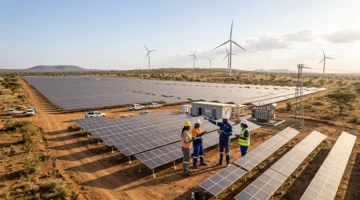
The projects include next-generation desalination facilities powered by solar energy, dramatically reducing the carbon footprint of water production compared to existing fossil-fuel-powered plants. Engineers estimate that the new facilities will be capable of producing fresh water at roughly half the cost of current operations, making large-scale desalination economically viable for agricultural as well as municipal use.
Water policy experts describe the investments as both necessary and overdue. Groundwater reserves across the region have been declining steadily for decades, and climate projections indicate that rainfall patterns will become increasingly unpredictable. Without significant new sources of fresh water, several major urban centers could face critical shortages within 15 to 20 years.
The projects are also expected to create substantial employment opportunities in construction, engineering, and facility operations, providing economic diversification in countries that have historically depended heavily on petroleum revenues.